- In progress
- Project Breaking Bad
- Gazipur
- Health
£4,140Total deployed
What this did for 18 pharmacists.
No admin cut. No middlemen. Here are the receipts.
- 8 MO
- Duration
- 18
- Participants
- +10-12%
- Pharmacist income
- 1,200 BDT
- Saved per episode of care
across 18 pharmacy entrepreneurs
for the family
Seven doctors for every 10,000 people. So people go to the pharmacy.
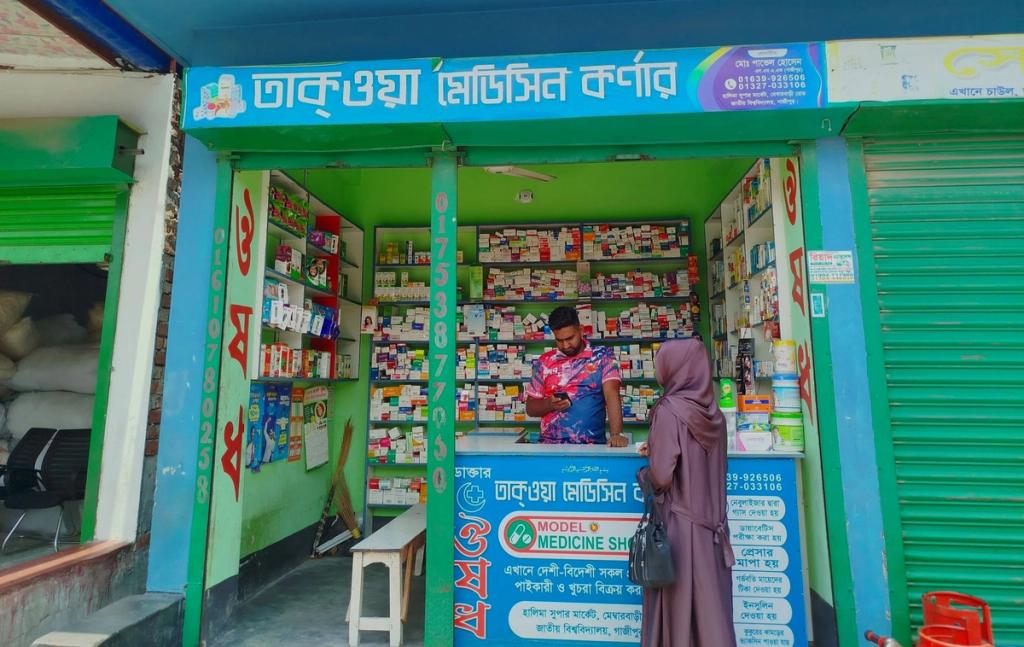
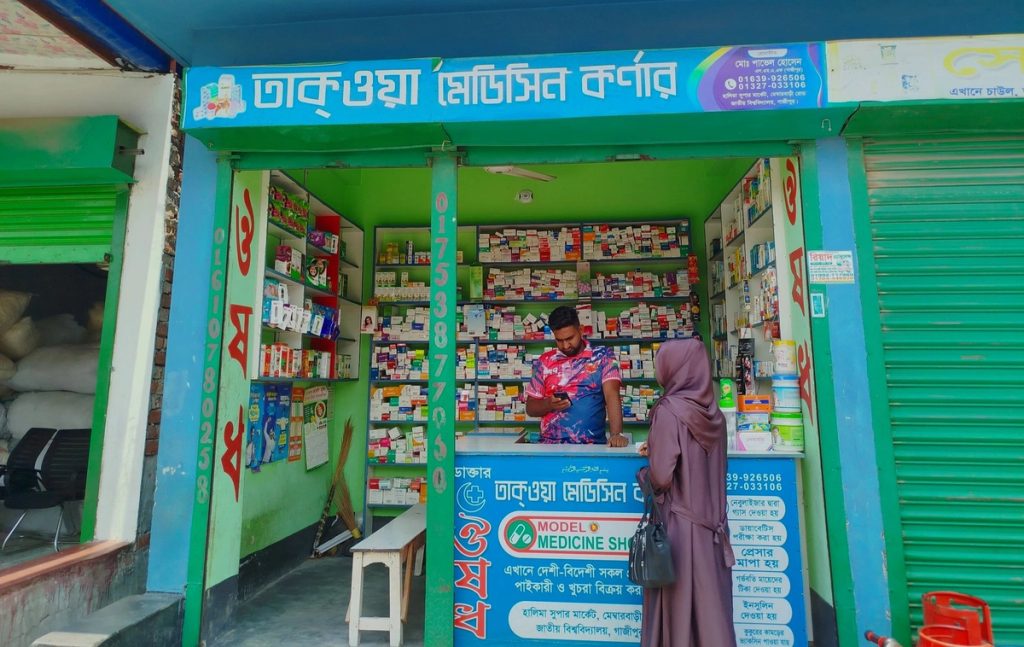
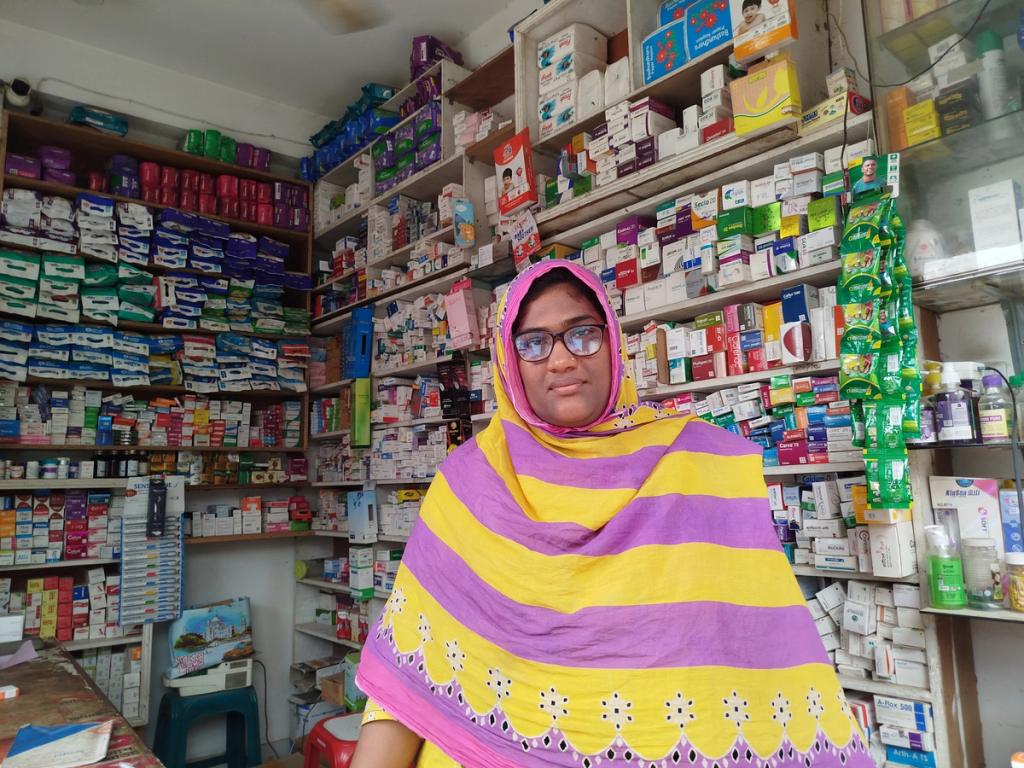
In Bangladesh, just 7 doctors serve every 10,000 people. When someone falls ill, the first place they turn is the local pharmacy.
Most pharmacists learned the job through informal apprenticeships, without formal certification behind them. People get treatment that is not safe and money goes on medicine that will not help, in the one place they can actually reach.
Where every pound went
| Ref | Line item | Amount | Share | Chk |
|---|---|---|---|---|
| L-01 | Urgent care training | £1,677 | 40.5% | |
| L-02 | Onboarding and quality monitoring | £1,342 | 32.4% | |
| L-03 | Urgent care tools | £1,118 | 27.0% | |
| Σ | Total deployed | £4,137 | 100% |
Founders covered all operational costs, so members' contributions went to the project.
Six months. Three things.
01
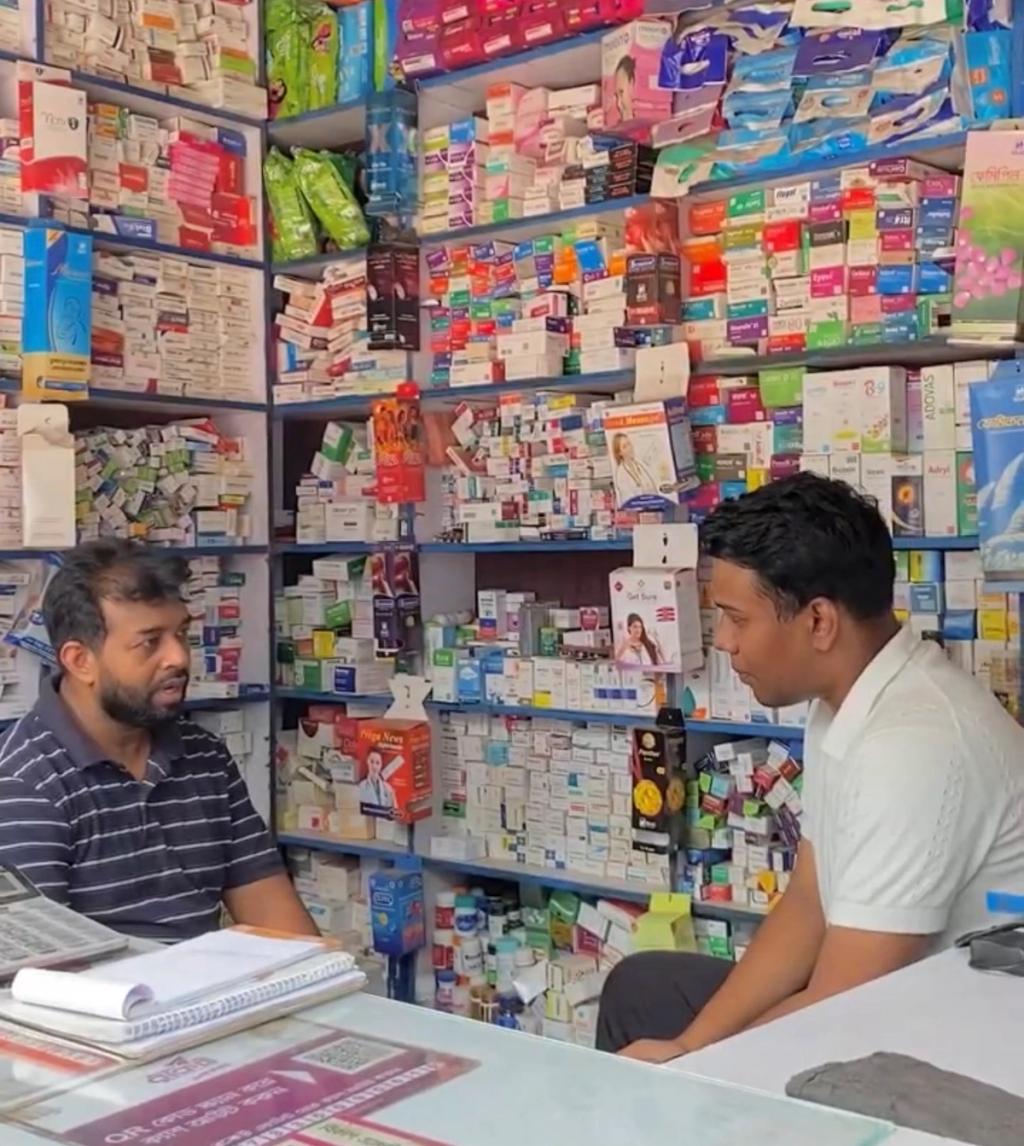
Urgent care training
Pharmacy entrepreneurs trained and certified to give safe, evidence-based urgent care. Covered trainers, venue, certification, logistics and refreshments, everything needed to get staff qualified and confident using it.
02
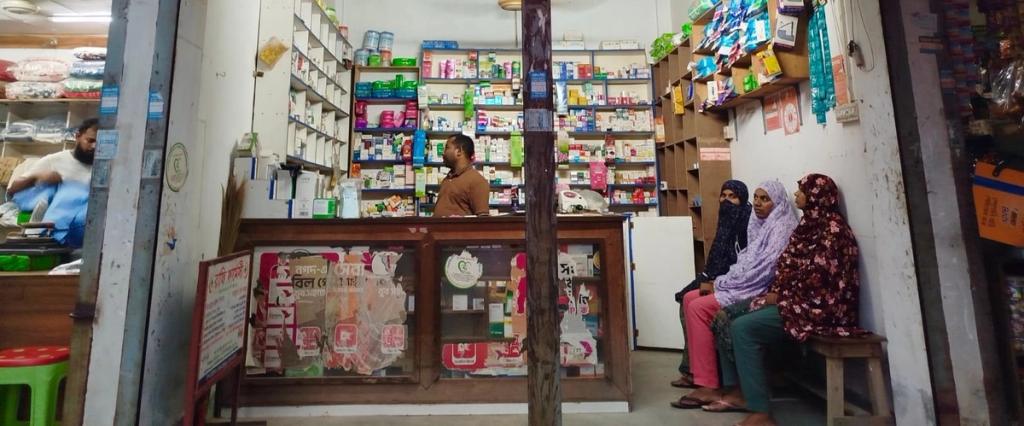
Urgent care tools
Each pharmacy equipped for first response: blood pressure machines, glucometers, nebulisers and the rest of the kit. It turns a local pharmacy into somewhere an urgent case can safely be handled on the spot.
03
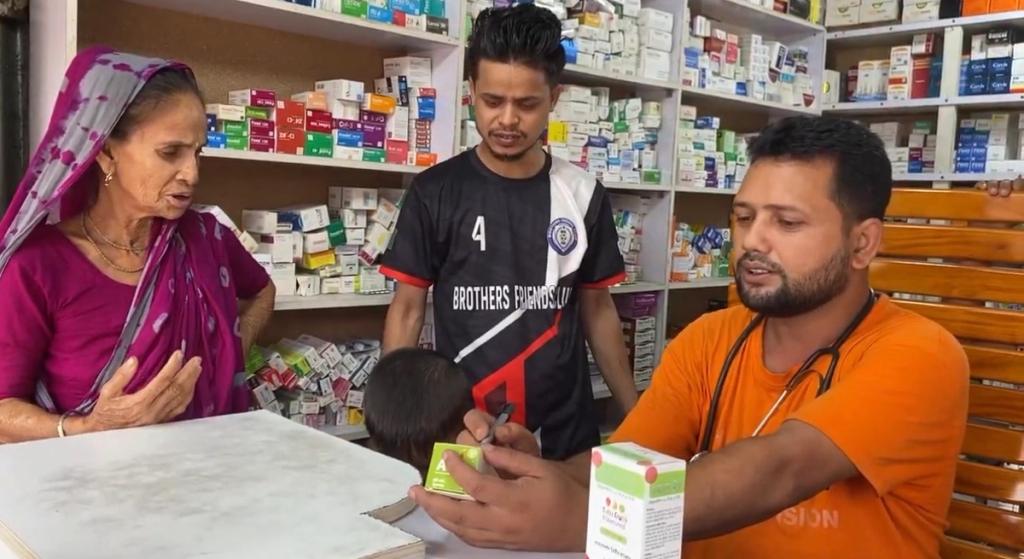
Onboarding and monitoring
Bringing each pharmacy into the network and keeping a close eye on quality, through onboarding visits, surveys, local travel and reporting, so the standard holds after the training ends.